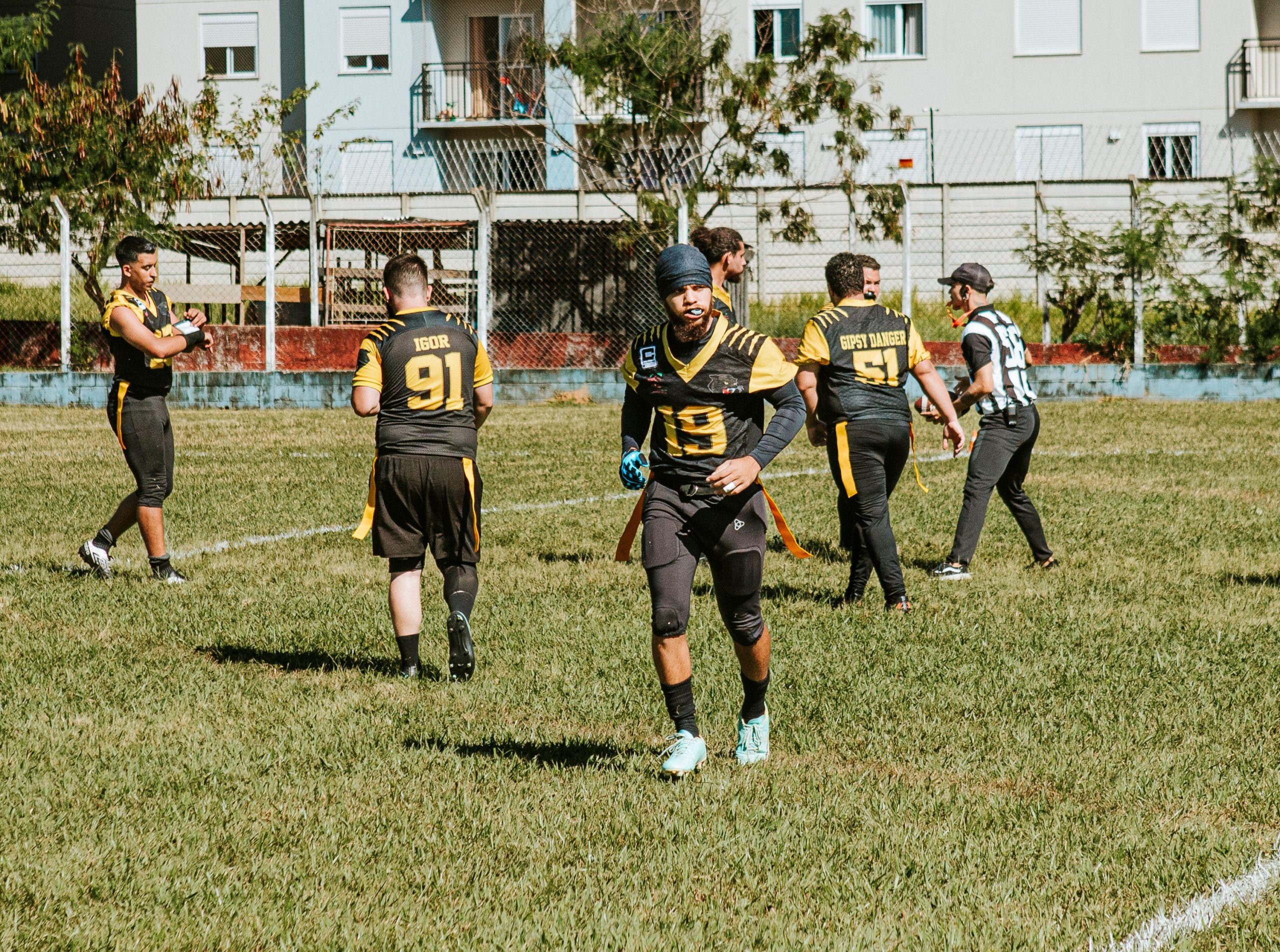
Organizing a flag football team involves more than registering players and scheduling practices. Coaches and league administrators also need to make equipment decisions that work for different ages, body types, playing preferences, and competition formats. Uniforms are an important part of that preparation because players need clothing that allows them to move comfortably while keeping the team looking organized.
The challenge becomes more noticeable when a roster includes athletes with different physical requirements. A uniform that fits one player well may feel restrictive or oversized on another. Choosing the right combination of jersey styles, shorts, and sizing options can make the ordering process easier and help teams prepare for a smoother season.
Start With the Needs of the Roster
Before selecting jerseys, teams should understand who will be wearing them. Youth leagues, school programs, recreational clubs, and adult competitions may have very different requirements.
A youth roster may include players who are still growing, while an adult team may need a broader range of sizes. Some programs also organize mixed-age training groups or multiple divisions under one club. In these situations, ordering uniforms without checking individual requirements can create unnecessary exchanges and last-minute adjustments.
Coaches should collect each player’s preferred size before placing an order. It is also useful to review the supplier’s size chart rather than relying only on the sizes players usually wear in everyday clothing. Athletic garments can fit differently depending on their cut, fabric, and intended use.
Understand the Difference Between Jersey Styles
Flag football players need freedom of movement for sprinting, cutting, jumping, catching, and pulling flags. Jersey construction can influence how comfortable they feel while performing these movements.
Traditional short-sleeve and sleeveless jerseys offer different levels of coverage. Sleeveless options may appeal to players who prefer greater freedom around the shoulders, while short-sleeve designs provide additional coverage. Reversible jerseys are another practical option for teams that regularly switch between home and away colors.
The right choice depends on the team’s playing environment, league requirements, and individual preferences. Coaches should also check whether the selected design works with the team’s flag belts and other required equipment.
Consider Reversible Uniforms for Flexible Scheduling
Many flag football programs participate in tournaments, scrimmages, and league fixtures where teams need to distinguish themselves quickly. Reversible jerseys can make these situations easier by providing two color options in one garment.
This can be particularly useful for clubs that share practice facilities, organize internal matches, or participate in events with changing team assignments. Rather than maintaining separate jerseys for every color requirement, a reversible option can simplify equipment storage and preparation.
However, teams should confirm that both sides meet the relevant competition’s uniform rules. Coaches should also check that player numbers remain visible and easy to identify from either side.
Think Beyond the Jersey
A complete uniform setup may include athletic shorts, compression apparel, socks, and other accessories. These items should be considered according to the team’s actual needs rather than added automatically.
Shorts should allow players to accelerate, change direction, and reach for flags without feeling restricted. Compression garments may be preferred by some athletes as a base layer, while others may choose a simpler playing outfit.
Flag belts also deserve attention because they are central to the sport. Teams should confirm the belt style and flag configuration required by their league before purchasing accessories. Coordinating these details early helps avoid discovering equipment mismatches just before a tournament.
Choose Packages Based on Practical Value
Uniform packages can be useful for programs that want to organize several pieces of apparel through one order. However, the most expensive package is not necessarily the most suitable choice.
A small recreational team may only need jerseys and shorts, whereas a competitive club might also want compression sleeves, gloves, headgear, or travel apparel. Comparing package contents with the team’s existing equipment can help prevent duplicate purchases.
GameBreaker’s flag football range includes individual jerseys, reversible styles, athletic shorts, flag belts, and bundled uniform packages. Teams can compare these options based on their roster size and equipment requirements.
Leave Enough Time Before the First Game
Uniform orders should be planned around the team’s actual competition calendar. Coaches need time to collect sizes, review designs, approve the final order, and distribute garments before the opening fixture.
It is worth confirming production and delivery estimates directly with the supplier, especially during busy periods when several leagues may be ordering at once. Teams should also inspect delivered uniforms promptly to check sizes, quantities, names, and numbers.
A little preparation can prevent avoidable stress during the first week of competition. When sizing, jersey construction, accessories, and delivery schedules are considered together, players can focus more attention on learning plays and performing as a team.
Conclusion
The best flag football uniform arrangement is one that accommodates the roster rather than creating extra work for coaches and players. A clear sizing process, suitable jersey styles, practical accessories, and realistic ordering deadlines all contribute to better preparation.
By comparing available options and planning around the team’s real requirements, organizations can select GameBreaker flag football uniforms that support comfortable participation and a consistent appearance throughout the season.